-
Memory, subjectivity and bipolar research

George Mikes was a Hungarian-born journalist and humorist. Most well-known for his 1946 book “How to be an alien”. This is a comic commentary on the English and their relationship with foreigners. Sometime in the 1980s, I remember a piece he wrote for a Sunday newspaper in which he said (I paraphrase) “I had a…
-
Diagnostic overshadowing, insight and self-stigma
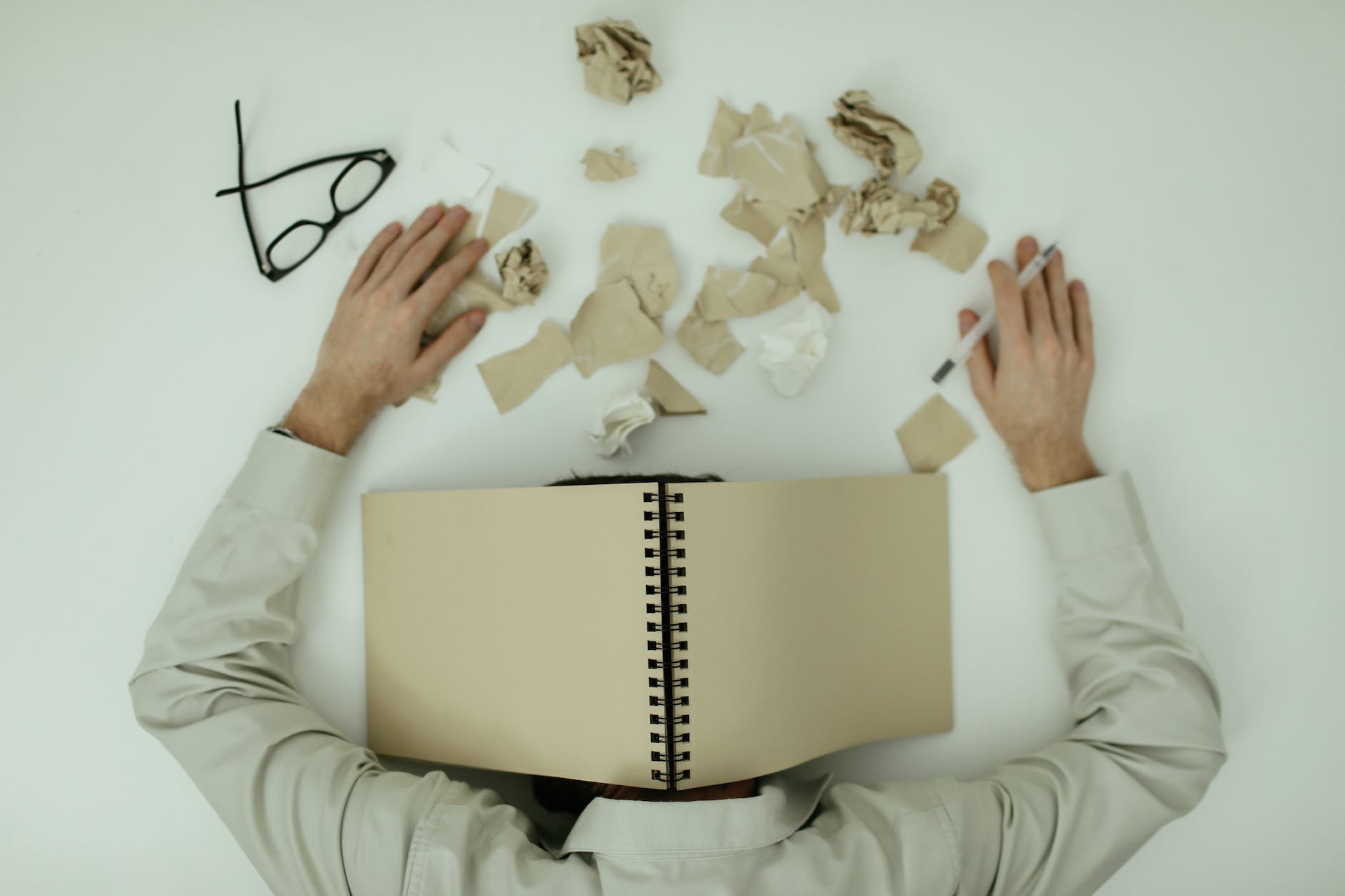
I had lived with bipolar for years when I first came across the term, “diagnostic overshadowing”, in an online forum discussion about mental illness. It means where a clinician may privilege mental illness diagnosis over what the person is saying and other symptoms, assigning them to your mental health condition. Perhaps because I am articulate,…
-
Taking part in bipolar research
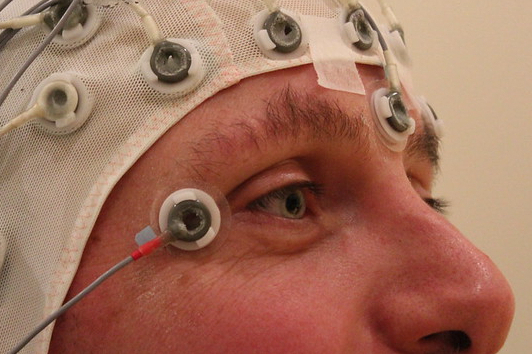
In pre-Internet times, when first diagnosed, I read avidly about bipolar and my main source was Pendulum, the quarterly magazine of the Manic Depressive Fellowship (now Bipolar UK), which featured: Research comes in different guises and covers a range of hypotheses – medication, heredity, life, psychology and practical daily life – all things that can…
-
Help for serious mental illness

Getting professional help for a diagnosed SMI (Serious Mental Illness) like bipolar should not be hard. I know my GP has a flag on my computer record to alert anyone accessing it that I am “special”. Not that special. This post relates recent experience of me being proactive in keeping myself well, trying to access…
-
Nature, nurture, nonsense
It took more than a decade of drafting my bipolar memoir, attending life-writing classes and residentials then other events where I listened attentively to authors, publishers and literary agents as they shared their secrets of how to get published before I gave up. I switched allegiance, joined Twitter and set about promoting my stories in…
-
Getting digital health care right – a patient’s view
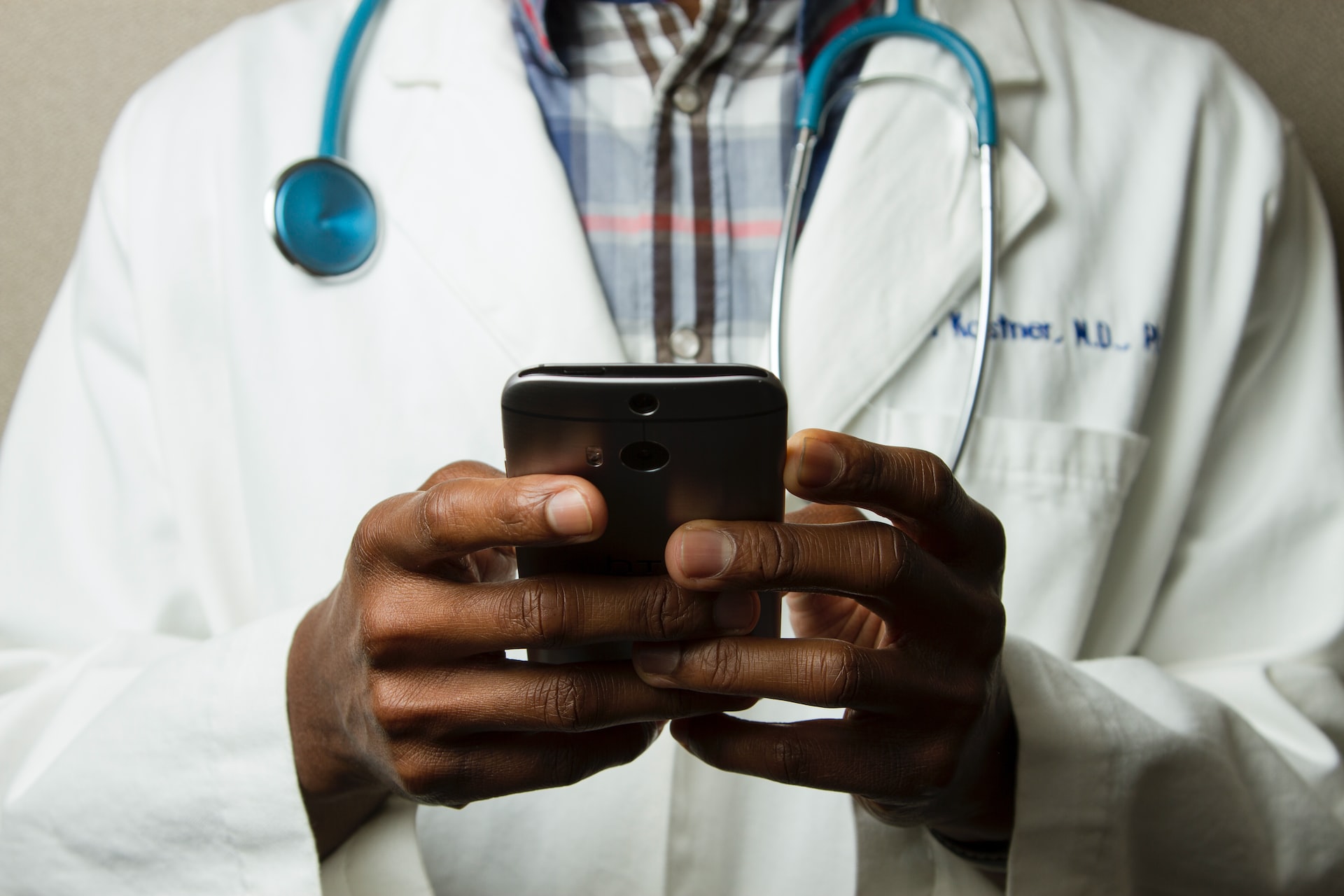
I have aways liked novelty, that is: so it’s no surprise that I’m an early adopter of some technologies (with an email address that is my name without numbers or special characters) and a user of digital tools to manage my bipolar, general health and caring responsibilities effectively. Digital health tools for patients With that…